


Description
-
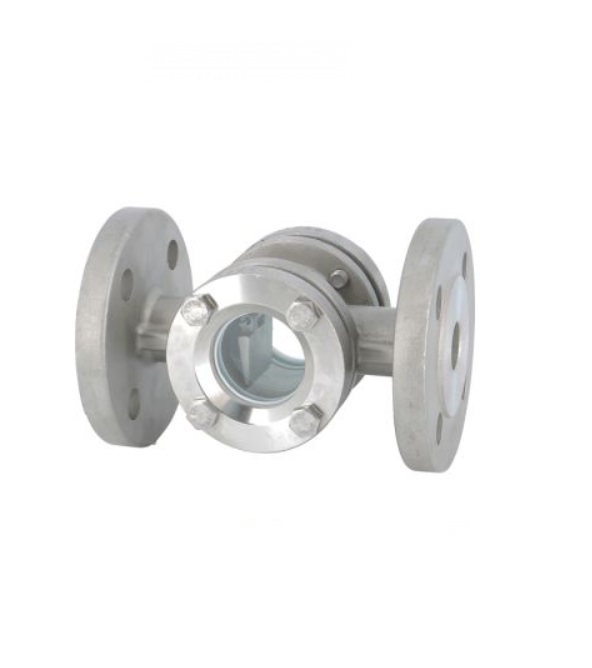
Voyante Double Glass: Double-glass sight glass (a window to view liquid/process flow inside a pipe/vessel).
-
à Bride: With flanged connection.
-
en Inox: Made of Stainless Steel (AISI 304 or 316 typically).
Technical Specifications
-
Dimensions:
-
DN 15 to DN 200: Available in nominal diameters ranging from 15 mm (approx. ½”) up to 200 mm (approx. 8″). (DN = Diamètre Nominal / Nominal Diameter).
-
-
Connection Type:
-
À Brides: Flanged connection. The sight glass is designed to be installed between two pipe flanges using bolts.
-
-
Maximum Temperature:
-
+180°C: Suitable for continuous operation with media temperatures up to 180 degrees Celsius (356 degrees Fahrenheit). Note: The specific gasket material used will determine the actual max temp.
-
-
Maximum Pressure:
-
16 BAR: Suitable for continuous operation with media pressure up to 16 Bar (approximately 232 PSI). Note: Pressure rating is typically given at 20°C; it decreases as temperature increases.
-
—————————————————————————————————
-
Material: Stainless Steel body (corrosion-resistant).
-
Viewing: Double-glass design (improved safety; if one pane breaks, the second contains the pressure).
-
Installation: Flanged (standard connection for industrial piping).
-
Size Range: Covers a wide range of common pipe sizes (DN15 to DN200).
-
Robustness: Rated for moderately high industrial pressures (16 BAR) and temperatures (180°C).
Important Considerations:
-
Gasket Material: The actual max temperature rating depends heavily on the gasket material (e.g., Viton, EPDM, PTFE) used with the sight glass. Verify the gasket spec for your temperature.
-
Pressure/Temperature Relationship: The 16 BAR rating is typically the maximum at ambient temperature (20°C). The allowable pressure decreases as the operating temperature increases. Consult manufacturer charts.
-
Fluid Compatibility: Ensure the stainless steel grade (304, 316, etc.) and the glass type (e.g., borosilicate) are compatible with the process fluid.
-
Orientation: Sight glasses might have specific installation orientation requirements (e.g., vertical vs. horizontal pipe) depending on the design.
Reviews
There are no reviews yet.